
Many homeowners notice webs around their property and wonder whether they indicate a growing spider problem. While seeing an occasional web is perfectly normal, an increasing number of webs inside or around your home may point to conditions that are attracting spiders or the insects they feed on.
Understanding how spider webs are made, why spiders build them, and what they can tell you about pest activity can help you determine when simple cleaning is enough and when professional pest control may be the better solution.
How Spiders Produce Silk
Spider silk is produced inside specialized glands located in the spider's abdomen. Most spiders have several different silk glands, each producing a unique type of silk with different properties. Some silk is designed to be incredibly strong for supporting the web's structure, while other silk is sticky to trap insects. Additional silk may be softer and used to wrap prey, protect egg sacs, or create safe hiding places.
The silk itself begins as a liquid protein. As the spider pulls the material through tiny structures called spinnerets located at the rear of its abdomen, the protein hardens into a fine strand. The spider controls both the thickness and type of silk it produces, allowing it to create different parts of a web using the material best suited for each purpose.
One remarkable feature of spider silk is that it is lightweight while remaining extremely durable. Some varieties of spider silk have a tensile strength comparable to steel of the same diameter, yet they remain highly elastic. This combination allows webs to stretch when insects fly into them instead of breaking immediately.
Not every spider builds the familiar circular web that many people imagine. Different species create different types of silk structures depending on how they hunt and where they live.
Step-by-Step: How a Spider Builds a Web
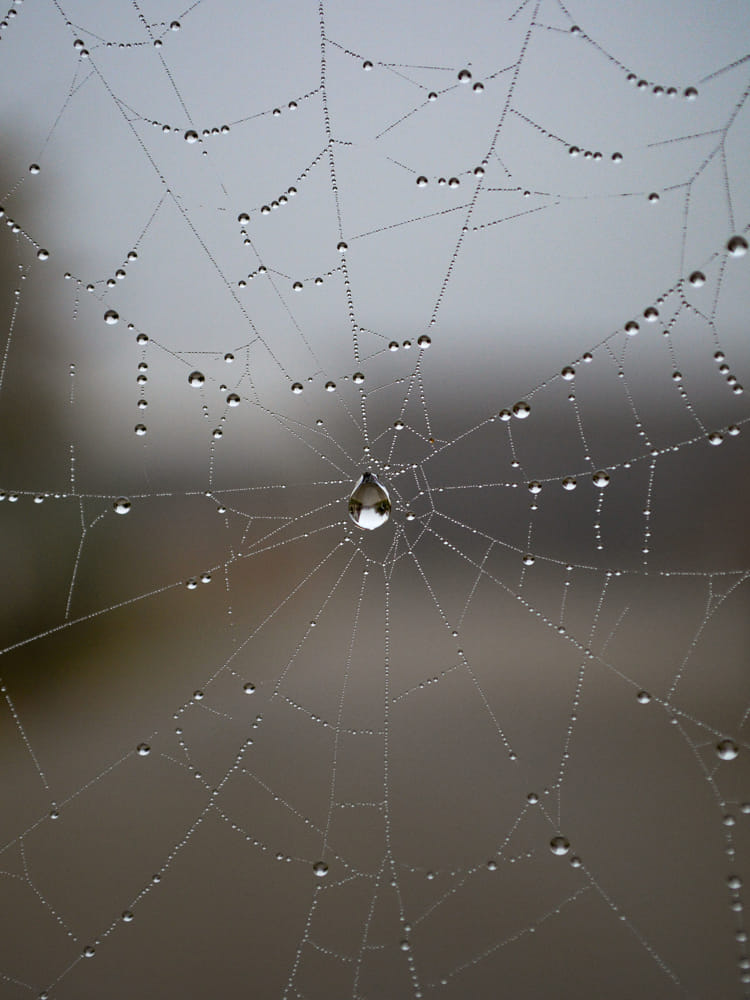
Building a web requires precision and careful planning. Although the exact process varies by species, orb-weaving spiders follow a surprisingly organized sequence when constructing their famous circular webs.
The process generally includes the following steps:
The spider releases a strand of silk that catches onto another surface, forming the foundation of the web.
Additional silk strands create a sturdy outer framework that supports the finished web.
The spider places several radial lines extending outward from the center like the spokes of a bicycle wheel.
A loose spiral helps maintain spacing while the web is being built.
Starting from the outside and moving inward, the spider replaces the temporary spiral with sticky silk designed to capture flying insects.
Once complete, the spider either sits in the center of the web or hides nearby while monitoring vibrations traveling through the silk.
Many spiders rebuild their webs regularly. Some species consume portions of the old web before constructing a new one, recycling the proteins used to produce silk and reducing the energy needed to make fresh strands.
Why Spiders Build Webs
Spider webs are much more than random collections of silk. They serve several important purposes that help spiders survive and reproduce.
The primary function of many webs is catching prey. Flying insects become trapped in the sticky strands, and their struggles create vibrations that alert the spider. The spider quickly locates the trapped insect, immobilizes it, and often wraps it in silk before feeding.
Webs also provide protection. Some spiders create retreat areas where they can hide from predators while remaining connected to the web through silk strands that transmit vibrations. These hiding places allow the spider to monitor its surroundings while staying out of sight.
Silk has many other uses besides web construction. Depending on the species, spiders may use silk to:
-
Wrap captured prey
-
Protect developing egg sacs
-
Create shelters beneath leaves or inside crevices
-
Build funnels or sheet-like hunting platforms
-
Produce draglines that act as safety ropes while climbing
-
Travel through the air using a behavior known as ballooning, where lightweight silk strands catch the wind
Where Spider Webs Are Most Common in Homes
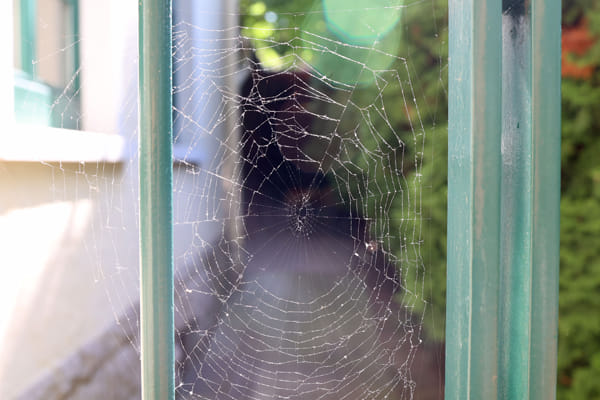
Spiders generally choose locations where they are less likely to be disturbed and where insects are plentiful. Inside homes, webs often appear in quiet, undisturbed spaces that provide protection and easy access to prey.
Common indoor locations include:
-
Ceiling corners
-
Wall corners
-
Basements
-
Garages
-
Attics
-
Crawl spaces
-
Behind furniture
-
Around storage boxes
-
Window frames
-
Utility rooms
Outside the home, webs frequently appear around porch lights, shrubs, fences, decks, gutters, eaves, outdoor furniture, and landscaping. Exterior lighting attracts flying insects at night, which in turn attracts spiders looking for an easy meal.
Garages are especially attractive because they provide shelter from weather while allowing insects to enter whenever doors are opened. Basements and crawl spaces also tend to remain undisturbed for long periods, giving spiders an opportunity to establish webs that may go unnoticed for weeks.
Regular cleaning can remove existing webs, but spiders often rebuild them if food sources remain readily available.
Are Spider Webs a Sign of an Infestation?
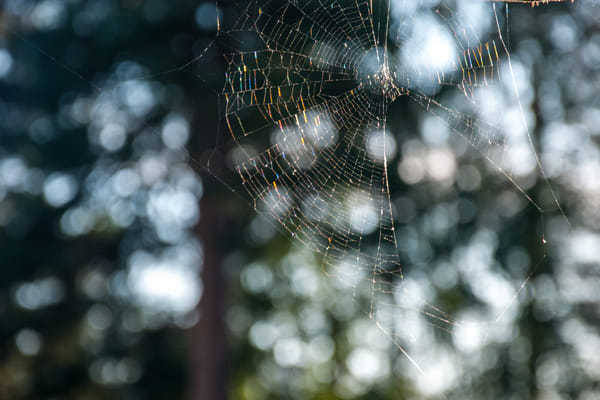
Finding a single spider web does not necessarily mean you have a spider infestation. Spiders naturally wander into homes from outdoors, especially during seasonal weather changes or while searching for food.
However, an increasing number of webs throughout your home may indicate a larger issue. Several warning signs suggest spider activity has become more than occasional.
These signs include:
-
Numerous fresh webs appearing shortly after cleaning.
-
Multiple spiders seen regularly indoors.
-
Egg sacs attached to webs or hidden in corners.
-
Heavy web accumulation in garages, basements, or attics.
-
An abundance of insects that provide food for spiders.
Large spider populations often develop because another pest problem already exists. Since spiders feed primarily on insects, homes with abundant flies, ants, moths, mosquitoes, gnats, beetles, or other crawling insects naturally become more attractive to hunting spiders.
Addressing the insects that spiders rely on is often one of the most effective ways to reduce future spider activity.
How to Get Rid of Spider Webs
Removing spider webs requires more than simply knocking them down with a broom. Although cleaning immediately improves the appearance of your home, spiders may rebuild their webs quickly if favorable conditions remain.
Start by vacuuming or dusting webs from ceilings, corners, window frames, garages, and outdoor fixtures. Vacuuming is especially effective because it removes both webs and any spiders or egg sacs hidden within them.
Next, reduce conditions that encourage spiders by:
- Sealing cracks and gaps around windows and doors.
- Repairing damaged screens.
- Reducing clutter in garages, basements, and storage areas.
- Keeping outdoor vegetation trimmed away from the home.
- Limiting excessive exterior lighting when practical.
- Addressing moisture issues that attract insects.
- Managing insect populations that serve as spider prey.
Routine home maintenance can significantly reduce spider activity over time, although some homes continue experiencing recurring problems due to nearby landscaping, surrounding open space, or heavy seasonal insect activity.
Professional pest control provides an additional layer of protection by treating areas where spiders commonly hide while also reducing the insect populations that attract them. A comprehensive pest management program focuses on the conditions that allow spiders to thrive rather than simply removing visible webs.
Need Help with Spiders?
Next Level Pest Control helps homeowners identify the causes of recurring spider problems and develop treatment plans that target both spiders and the insects that attract them. Whether you have occasional spider concerns or are dealing with persistent web buildup throughout your home, our experienced team can provide effective solutions designed for long-term results.
Contact Next Level Pest Control today to learn more about our spider control services and keep your home cleaner, more comfortable, and better protected year-round.