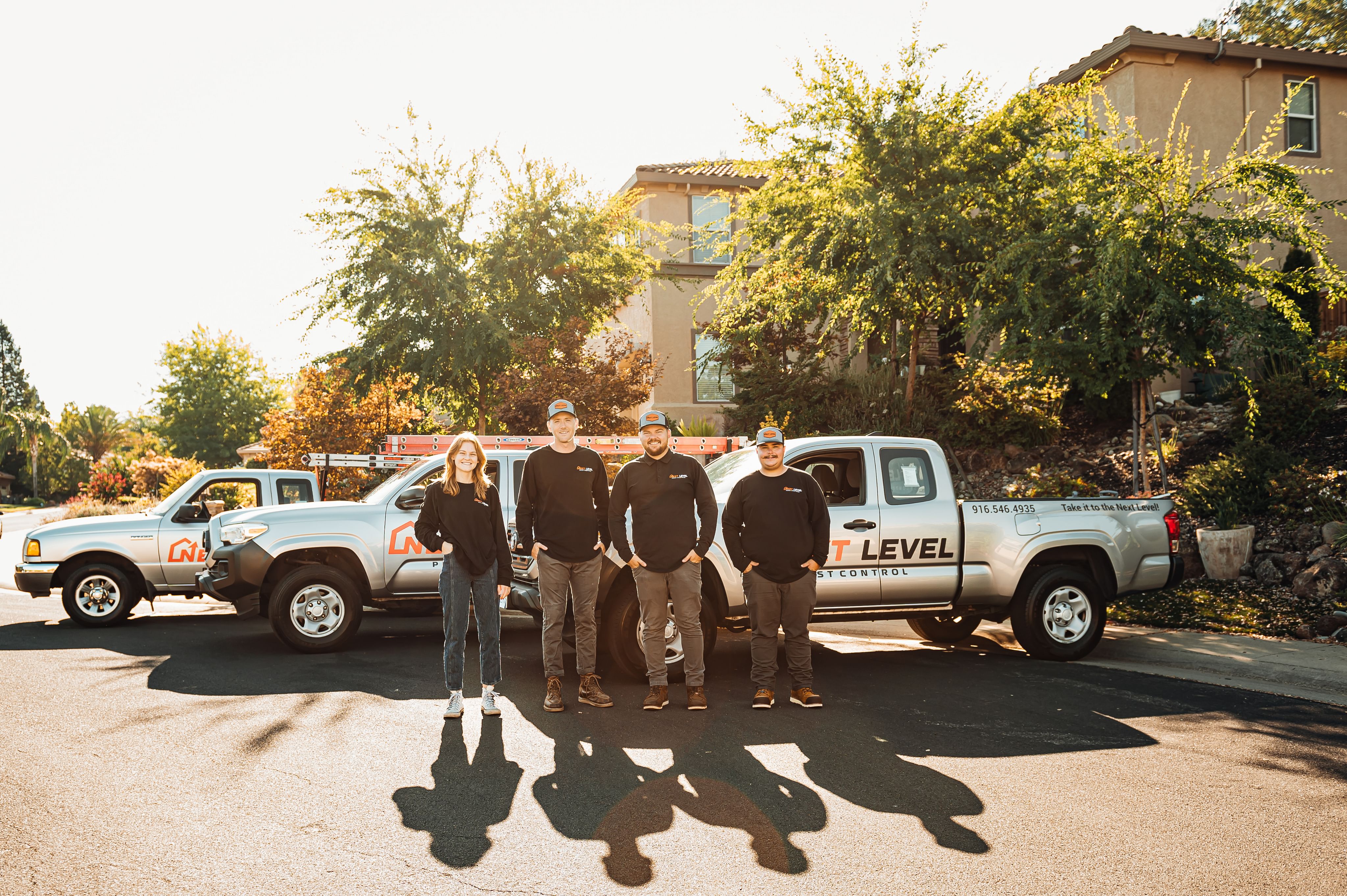
DIY pest control is appealing for obvious reasons. It feels faster, cheaper, and more convenient than scheduling a professional service. A quick trip to the hardware store, a spray bottle, a few traps, and the problem should disappear.
But in reality, store-bought pest control solutions often fail to eliminate the root of the issue. Homeowners may see temporary relief, only to find the pests returning days or weeks later. If you’ve ever wondered why DIY pest control fails, the answer usually comes down to hidden infestations, improper application, or treating the wrong pest entirely.
Before you spend more money on over-the-counter solutions, it helps to understand what really causes DIY pest control to fall short.

The Appeal of DIY Pest Control
Many homeowners try DIY treatments to save money and avoid calling an exterminator. For minor, isolated issues, some basic measures may reduce activity temporarily.
The problem is that most infestations are more complex than they appear. Sprays and traps typically address only what you can see, not what is happening behind walls, under floors, or around the exterior foundation of your home.
That’s where problems begin.
5 Biggest Reasons DIY Pest Control Fails
Most store-bought sprays kill visible insects on contact, but they do not eliminate nests or colonies. For pests like ants, the real problem often exists outside or deep within structural voids.
For example, spraying a trail of ants may remove the workers, but the colony remains active. Without targeting the source, the infestation returns. If ants keep coming back despite treatment, professional ant control may be necessary.
Not all pests respond to the same treatment. Treating small cockroaches as ants or misidentifying a rodent issue can lead to wasted time and money.
Effective pest control begins with accurate identification. Using the wrong product can allow the infestation to grow while you believe you are solving it.
If rodents are involved, DIY traps rarely eliminate the full population. Learn more about professional rodent solutions here.
DIY efforts often ignore the underlying reasons pests are present. Entry points, moisture issues, food sources, and exterior nesting areas must be addressed for lasting control.
Without sealing gaps, improving sanitation, and treating perimeter zones, pests simply find new ways inside. That is why many infestations appear to “spread” after initial DIY treatment.
Over-the-counter sprays are widely used, and certain pests can develop resistance to common ingredients. Cockroaches, in particular, are known for adapting to repeated exposure.
Using the same consumer product repeatedly may reduce effectiveness over time, leading to recurring infestations.
Improper application can push pests deeper into walls or into new areas of the home. Bed bugs are a prime example. Spraying visible bugs without a professional strategy often spreads them further.
Store-bought products are rarely effective against bed bugs because they do not eliminate hidden eggs or nesting areas. If bed bugs are suspected, targeted treatment is essential.
The Risks of DIY Pest Control
Beyond being ineffective, DIY pest control can carry additional risks.
Food Sources
Overuse of chemicals indoors can pose risks to pets and children if applied incorrectly. Mixing products or exceeding label instructions may create unsafe conditions.
Property Damage
Certain pests, including termites and rodents, can cause structural damage over time. While not all companies treat termites, it is important to recognize that hidden infestations can create costly repairs if not handled properly.
Entry Points
The most common outcome of DIY pest control is temporary relief followed by repeat invasions. Without professional prevention, pests often return seasonally.
Is Professional Pest Control Better Than DIY?
In most cases, yes.
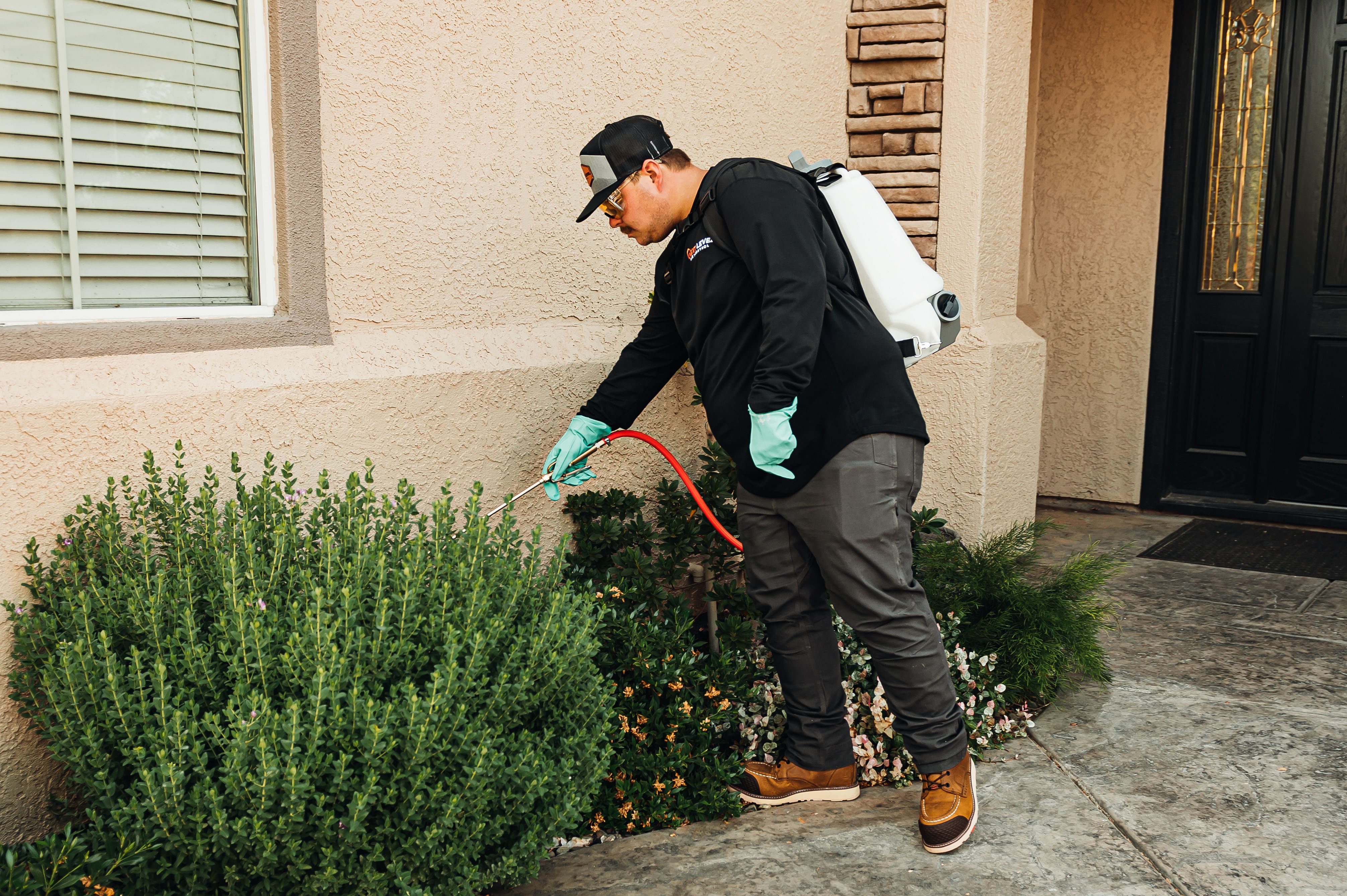
Professional pest control is designed to identify the pest species, locate the source of the infestation, and eliminate the entire problem—not just surface activity.
Experts use targeted treatments based on the pest type, severity of infestation, and structure of the home. They also address entry points and environmental factors that contribute to recurring issues.
For homeowners who want long-term protection instead of short-term relief, ongoing prevention plans provide year-round coverage.
Signs You Need a Professional Exterminator
If you are experiencing any of the following, it may be time to schedule professional service:
✔ Pests return after multiple DIY treatments
✔ You have tried several products without success
✔ You notice droppings, nesting material, or unusual odors
✔ The infestation appears to be spreading
✔ You suspect hidden structural activity
If any of these apply, schedule an inspection today.
Tired of DIY Pest Control Failing? Get Expert Help Today
DIY pest control often feels like the easiest solution, but recurring infestations quickly become frustrating and expensive.
Next Level Pest Control provides safe, effective pest control solutions throughout the Sacramento area, including Gold River, Citrus Heights, Folsom, Roseville, Rocklin, and surrounding communities.
If pests keep coming back, it’s time to stop guessing and start solving the problem at its source.
For more prevention advice, you may also find these helpful: